
Donating a Historic Firearm Before Year-End?
Start with ensuring the right institutional fit, documentation, and the correct appraisal - not the delivery date.
Donating a Historic Firearm to a Museum: Appraisals and Records
The end of the year often prompts collectors to consider donating historically important firearms, militaria, documents, and related collections to museums or other charitable institutions.
The idea sounds straightforward: choose a museum, deliver the object, obtain an acknowledgment, and claim the appropriate deduction.
In practice, each step requires more planning.
A museum may admire an object and still be unable to accept it. A firearm may fit the institution’s mission but lack the documentation needed to establish its significance. The donor may also need an appraisal prepared for a specific purpose and effective date - something the receiving institution generally cannot provide.
If a year-end gift is under consideration, begin the conversation now.
The museum must want the object
Museums collect according to formal missions, collecting plans, available storage, staff capacity, and existing holdings. Historical importance alone does not guarantee acceptance.
An institution may already own several similar firearms. It may lack the resources to conserve, catalog, store, or interpret another example. A local museum may value a well-documented community firearm more than a nationally recognized museum would. Conversely, a specialized institution may be interested only when the gun is accompanied by records that connect it to a particular person, unit, manufacturer, event, or place.
The National WWI Museum and Memorial, for example, instructs prospective donors to submit descriptions and photographs for curatorial review before bringing an object to the museum. It also notes that common World War I material may no longer be needed and that review can take weeks.
Never arrive with a firearm and expect a curator or front-desk employee to accept it immediately.
Documentation may determine whether the gun is useful
For a museum, an object without context can create more questions than it answers.
Before approaching an institution, gather:
Clear identification of the firearm
Photographs of both sides and important markings
Known ownership history
Military-service or hunting history associated with it
Factory letters, receipts, auction records, and prior appraisals
Period photographs, correspondence, diaries, or newspaper references
Information identifying who supplied each family recollection
Details about repairs, restoration, replacement parts, or altered configuration
A list of accessories and documents that should remain with the firearm
Separate documented facts from family recollection. A story can still be valuable when it is recorded honestly. Problems arise when later retellings turn a possibility into a certainty.
This documentation also helps the donor identify the most appropriate institution. A firearm connected to one county, military unit, industrial community, or historical figure may have considerably more interpretive value at a museum already serving that subject.
Acceptance does not guarantee display
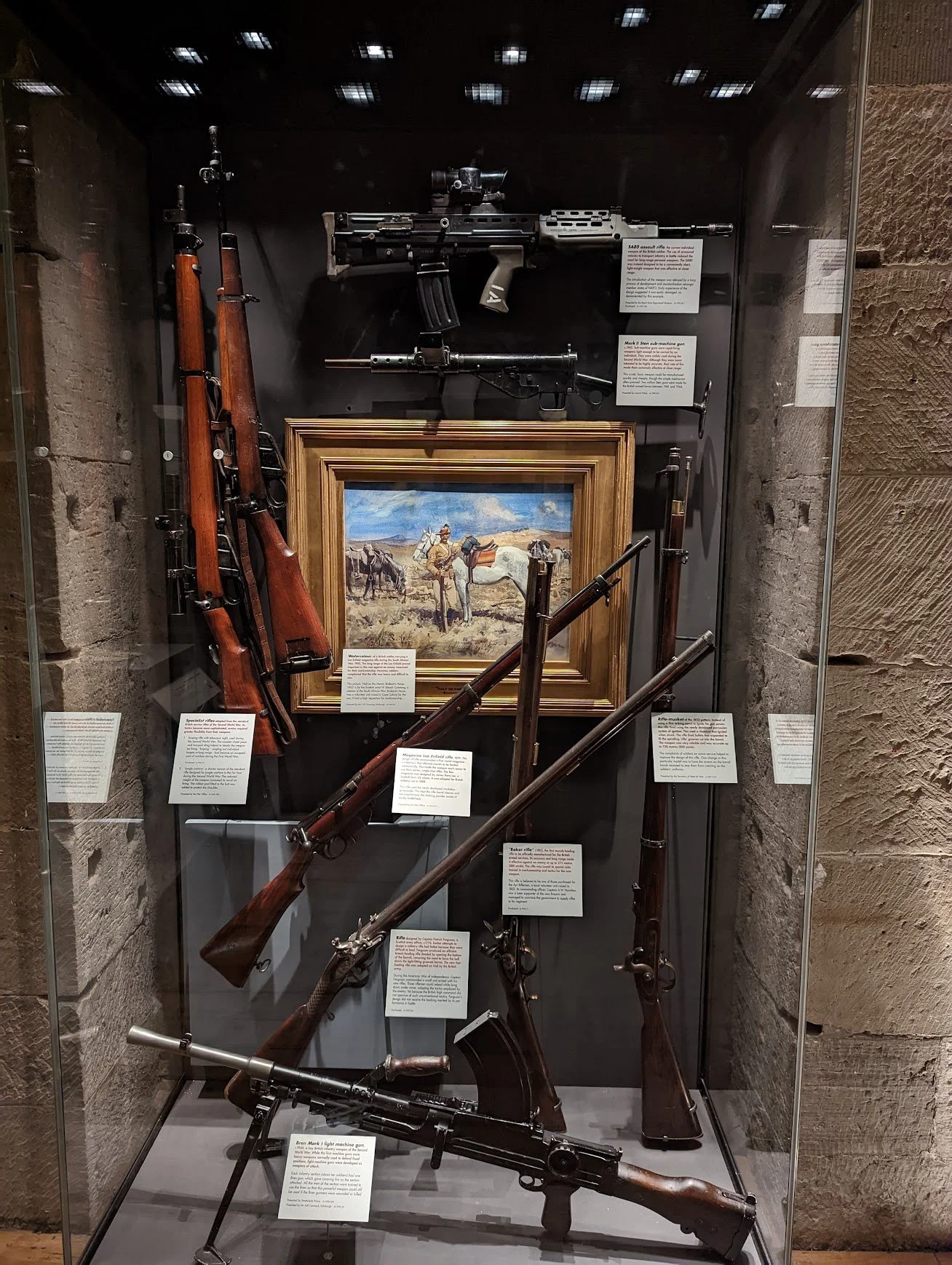
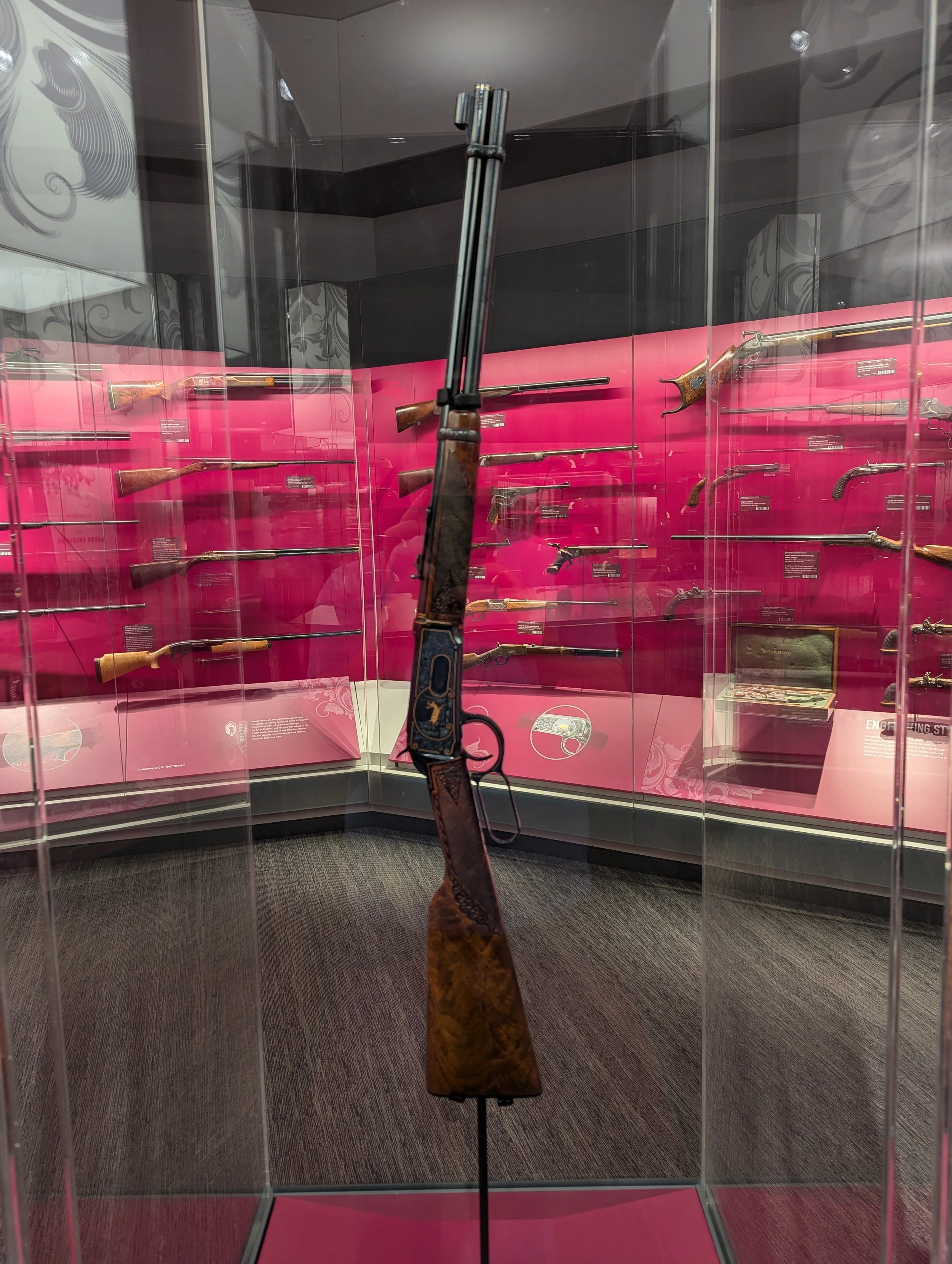
Museums accept objects for their permanent collections, not for permanent exhibition.
The firearm may be used in a future exhibit, made available to researchers, included in educational programming, or retained in storage as part of the institution’s long-term collection. Exhibition schedules, conservation needs, interpretive priorities, security, and available space all influence whether an object appears in a gallery.
A donor should not assume that acceptance guarantees display, naming rights, or continued placement alongside other donated material unless those terms are explicitly addressed in the institution’s agreement.
Attempting to impose extensive restrictions can also make a gift less useful to the museum and therefore less likely to be accepted.
The museum cannot appraise the proposed gift
The receiving institution has a conflict of interest if it assigns a monetary value to an object it hopes to receive. Major museums therefore direct donors to independent appraisers and tax advisers.
IRS Publication 561 explains that noncash gifts may require Form 8283 and, for an item or group of similar items with a claimed deduction above $5,000, generally require a qualified appraisal by a qualified appraiser. The publication also contains specific timing and documentation requirements.
A qualified appraisal must ordinarily be signed and dated no earlier than 60 days before the contribution. The correct effective date is tied to the date of the gift. For very large claimed deductions, additional filing requirements can apply.
Those rules are why an old insurance appraisal, auction estimate, dealer offer, or informal value opinion may not be adequate for a charitable-contribution assignment.
The appraisal fee also cannot be based on a percentage of the appraised value or the deduction ultimately allowed.
Collectors should consult their own accountant or tax attorney before making decisions about deductibility, timing, reporting, or the effect of the institution’s intended use of the property.
Begin with the right sequence
A practical donation process looks like this:
Identify the object and organize its records.
Establish what is present, what supports its history, and what remains uncertain.Research appropriate institutions.
Compare the firearm’s history with each museum’s mission and collecting priorities.Contact the museum before arranging delivery.
Submit the requested descriptions, photographs, and supporting documentation.Allow time for curatorial review.
The decision may involve curators, registrars, collections committees, legal review, or governing boards.Define the appraisal assignment.
If a tax deduction will be claimed, confirm the requirements and timing with a tax adviser and engage an appropriately qualified independent appraiser.Review the deed of gift and acknowledgment.
Understand what is being transferred and whether any conditions have been proposed.Preserve copies of everything.
Keep the appraisal, deed of gift, acknowledgment, Form 8283, photographs, correspondence, and supporting provenance with the family’s permanent records.
How High Caliber History can help
High Caliber History can assist with firearm identification, collection assessment, provenance review, documentation, appraisal scoping, and research into potentially appropriate institutions.
The goal is to determine what the object is, why it matters, what evidence supports its history, and what type of appraisal or specialist may be required before the gift moves forward.
This work does not replace legal or tax advice, and no consultant can guarantee that a museum will accept or display an object. It can, however, prevent a donor from approaching the wrong institution with incomplete information—or waiting until the final days of December to begin a process that may require several weeks.
If you are considering the donation of a historic firearm or collection, contact High Caliber History before the paperwork and the object become separated.
Frequently Asked Questions
Will a museum accept any historically important firearm?
No. Museums collect according to their missions, existing holdings, staff resources, storage, condition, documentation, and interpretive priorities.
Will the firearm be placed on permanent display?
Usually no promise of permanent display should be expected. Accepted objects may be exhibited, researched, used in programs, loaned, or stored for future use.
Can the museum tell me what the firearm is worth?
Receiving institutions generally cannot appraise proposed donations because doing so creates a conflict of interest. Donors are responsible for obtaining independent valuation advice.
Is an auction estimate enough for a charitable deduction?
An auction estimate serves a different purpose from a qualified appraisal. Depending on the claimed value and circumstances, IRS requirements may call for a qualified appraisal, Form 8283, and additional substantiation.
When should the appraisal be completed?
Timing matters. IRS guidance generally requires the qualified appraisal to be signed and dated no earlier than 60 days before the contribution and received before the applicable tax-return deadline. Consult a tax adviser about the specific gift.
Can I donate an entire collection?
Possibly, but the institution may want only part of it. An assessment can identify the strongest institutional material and appropriate alternatives for the remainder.
Does the museum want the family story?
Yes, when it is clearly labeled and accompanied by supporting evidence. Record who supplied the story, when it was recorded, and which details remain unverified.
Who handles transfer and legal questions?
Consult a qualified attorney and appropriately licensed firearms professional regarding ownership, transfer, regulated items, and jurisdiction-specific requirements.

Lets Work Together
The Process
Submit an initial inquiry with details about your firearm(s) or collection and the services you require.
Within 48 hours, you’ll receive a clear recommendation and pricing based on your needs and scope of collection.
I’ll perform an in-person or remote assessment, and research depending on your needs.
You’ll get back verbal feedback or a detailed written report based on your requirements.